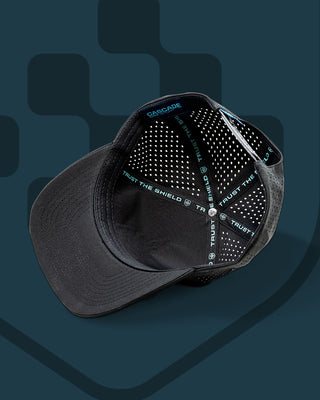
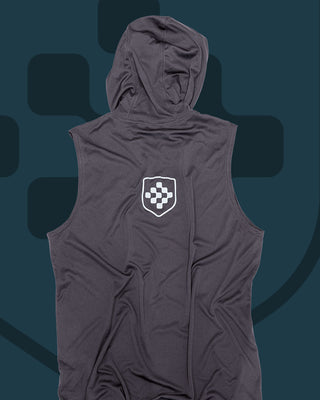
Designed for movement, built for recovery, and styled for everyday wear. The Cascade CBX Sport Hooded Tank blends performance-driven comfort with a modern athletic silhouette, making it a staple for training sessions, warm-ups, and off-day wear.
Constructed from a lightweight, breathable fabric, this hooded tank allows for full range of motion while keeping you cool during intense workouts. The sleeveless cut provides unrestricted arm movement, while the hood adds a functional edge for warm-ups, cooldowns, or layering.
Whether you are lifting, training, or moving through your day, this piece reflects the Cascade CBX Sport mindset: intentional, athletic, and built to perform.
Key Features

Reviews

NSF CERTIFIED FOR SPORT®
Cascade CBX Sport products are developed by athletes, for athletes. And we know when you’re an athlete, your body is your livelihood. We’re careful, because our bodies pay the bills. Which is why we took the time and made the investment to achieve NSF Certification for Sport.
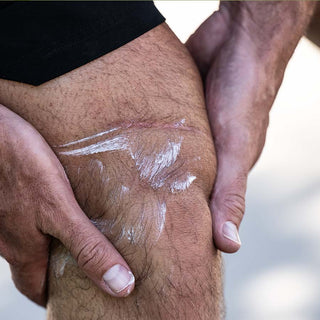
DEVELOPED BY ATHLETES, FOR ATHLETES.
It’s our goal to create a lasting impact on the athletes we serve, our community and the planet by offering performance-driven solutions that enhance daily wellness and athletic recovery. Cascade CBX Sport is your path to peak performance.
FAQs
The ECS (endocannabinoid system) is critical in maintaining homeostasis, or balance, within the body. CBD interacts with ECS receptors (CB1 and CB2) to influence immune response, nervous system activity, and hormonal balance (Simei et al., 2024). This makes CBD a versatile compound with a wide range of applications, from reducing anxiety to managing chronic pain.
Evidence: Research suggests CBD modulates the immune response, nervous system activity, and hormonal balance, making it beneficial for stress, pain relief, and overall well-being (Millar et al., 2019).
Topicals (creams, balms): Applied directly to the skin to target specific areas of discomfort.
Oral products (oils, capsules): Ingested to provide systemic effects.
There is evidence suggesting that Cascade CBX Sport may help with both falling asleep and staying asleep, in part by addressing chronic pain and anxiety (Shannon et al., 2019).
Evidence: Studies have confirmed that Cascade CBX Sport improves sleep in people with anxiety and insomnia (Shannon et al., 2019).
CBD is generally well-tolerated but may cause dry mouth, drowsiness, and appetite changes (Iffland & Grotenhermen, 2017).
Evidence: Potential side effects include fatigue and medication interactions (Iffland & Grotenhermen, 2017).
It is recommended to start with a low dose and monitor your body's response. Consult with a healthcare professional before incorporating CBD into your routine, especially if you have underlying health conditions or are taking other medications.
In 2019, the World Anti-Doping Agency (WADA) removed CBD from its list of prohibited substances. However, THC and other cannabinoids are still prohibited. It is best to check with the sport's governing body to ensure compliance.
To comply with regulations, athletes should ensure they use third-party tested products and are free from THC (World Anti-Doping Agency, 2025).
While research on CBD’s potential benefits is promising, more high-quality studies are needed to fully understand its efficacy and safety (Iffland & Grotenhermen, 2017).
Evidence: A review published in Frontiers in Neurology found that CBD may help improve quality of life in patients with neurological disorders, though long-term data is still required (Nicholson et al., 2020).
Research suggests that CBD exhibits anti-inflammatory, analgesic, and neuroprotective properties, which could be beneficial in treating conditions such as chronic pain, epilepsy, and anxiety disorders (Blessing et al., 2015; Vučković et al., 2018).
A 2019 report from the World Health Organization (WHO) concluded that CBD is generally safe, well-tolerated, and non-addictive, though they called for further controlled studies to confirm therapeutic potential (WHO, 2018).
Preclinical studies indicate that CBD reduces oxidative stress and neuroinflammation, which may have implications for neurodegenerative diseases such as Alzheimer’s and Parkinson’s (Esposito et al., 2011).
Although some clinical trials show CBD’s positive impact on anxiety, pain, and sleep, researchers emphasize the need for larger randomized controlled trials to establish consistent dosing guidelines and long-term safety data (Shannon et al., 2019).
Shop All